The Essential Introduction of Loose Leaf Tea: Positive Effects, Steeping Instructions, and Premium Brands
Loose leaf tea delivers a rich spectrum of flavors and benefits that set it apart from traditional tea bags. Grasping the vital steeping methods can elevate the tea journey considerably. However, many enthusiasts miss common mistakes that can diminish the flavor. Additionally, knowing how to choose the right tea is crucial. This guide will explore these aspects and more, offering insights that might change how one approaches this ancient beverage.
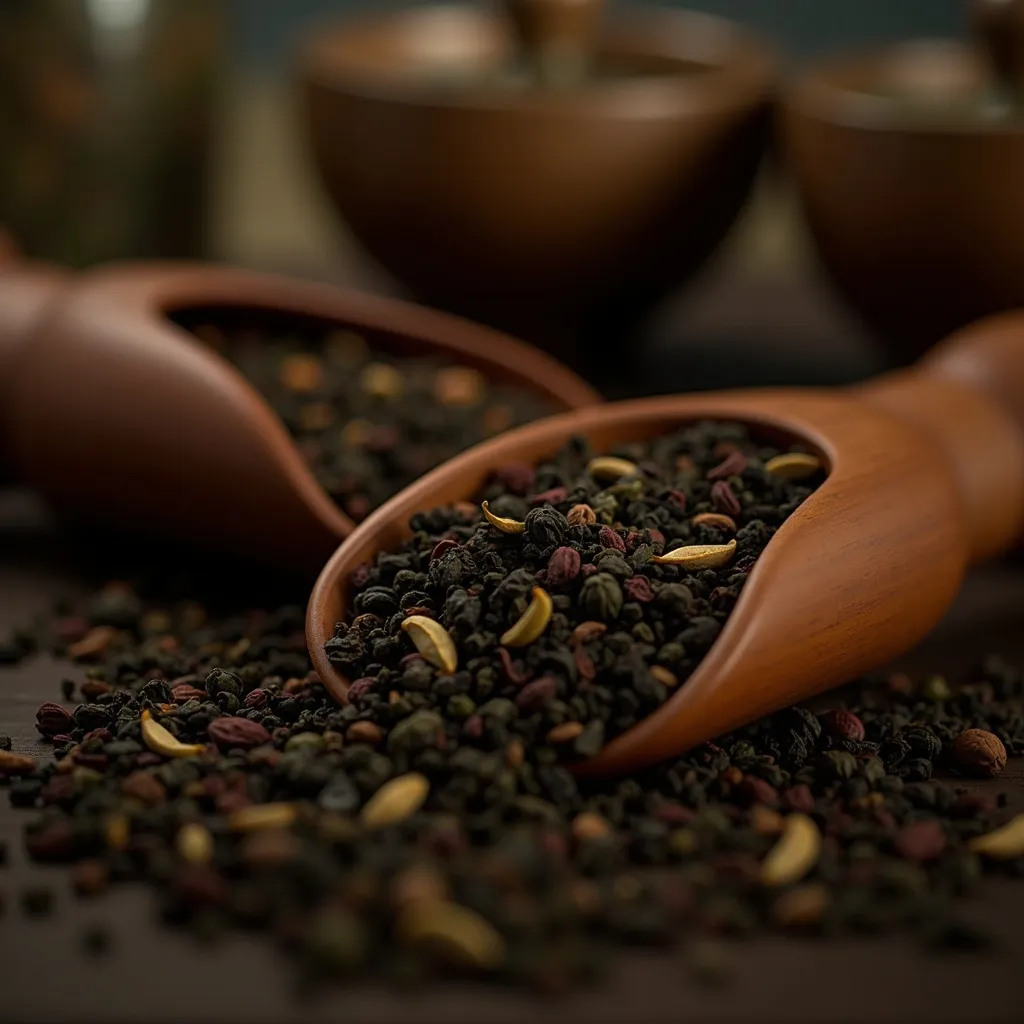
Critical Infusion Practices for Excellent Loose Leaf Tea
Brewing loose leaf tea has the ability to convert a simple beverage into a delightful experience. The journey starts with choosing high-quality leaves, as the flavor and aroma largely rely on their freshness. A precise water temperature is vital; different types of tea require specific ranges to bring out their full potential. For instance, delicate green teas thrive at lower temperatures, while robust black teas are suited to boiling water.
The correct amount of tea should be measured as well, usually one teaspoon for every cup. The duration of steeping is important in flavor extraction; too much steeping can cause bitterness. Using a adequate infuser allows the leaves to open and fully release their compounds. Finally, savoring the tea without distractions enhances the experience, letting the drinker enjoy the complexities of flavor and aroma. Mastering these techniques assures a top-quality cup of loose leaf tea every time.
Standard Blunders to Dodge in Loose Leaf Tea Brewing
Several tea devotees disregard common mistakes that can diminish the excellence of their loose leaf tea. One prevalent error consists of using water that is too hot or too cold, which can lead to over-extraction or minimal extraction of flavors. Additionally, failing to quantify the tea leaves accurately can result in a brew that is either too weak or overly bitter. Another frequent mistake is neglecting to steep for the needed duration; different teas require precise steeping times to reveal their full potential. Moreover, using unfiltered water can impart unwanted flavors, compromising the tea's flavor profile. Finally, failing to clean brewing equipment regularly may lead to residual tastes from previous brews, affecting the current cup. By avoiding these common obstacles, tea lovers can maximize their brewing process and enjoy a more satisfying loose leaf tea experience.
Learning about the Flavor Profiles of Loose Leaf Tea
A wide variety of taste characteristics is found within loose leaf tea, each delivering distinct flavor sensations. These characteristics can differ significantly depending on elements including the variety of tea plants, cultivation environments, and preparation techniques. For example, green tea varieties often display grassy or vegetal notes, while black teas can present robust, grain-like tastes featuring hints of chocolate or caramel. Oolong tea may connect these characteristics, displaying floral and fruit undertones.
Herbal teas, although not technically tea, provide their own unique tastes, spanning from the stimulating mint of peppermint to the earthy tones of rooibos. White teas are prized for their subtle, subtle sweetness and airiness, often evoking a sense of tranquility. Understanding these flavor profiles enables tea enthusiasts to discover and appreciate the vast array of flavors, enhancing their overall experience with tea. Each cup can become a voyage through different regions and cultures, showcasing the craftsmanship behind loose leaf tea.
Selecting the Right Loose Leaf Tea for Your Needs—A How-To
Determining the perfect loose leaf tea can be a challenging yet delightful task for many enthusiasts. To explore this expansive array, one must consider individual preferences, such as flavor, scent, and health benefits. First, determining the preferred flavor profile—whether floral, fruity, or natural—can notably narrow down options.
Next, grasping the caffeine levels is crucial; some may prefer the stimulating properties of black tea, while others might gravitate to the soothing benefits of herbal blends. Additionally, exploring different tea origins can offer distinctive flavor profiles, as each region imparts distinct characteristics.
In conclusion, examining any wellness perks associated with distinct tea options, such as antioxidants in green tea or digestive aids in herbal mixes, can better inform the deciding process. By considering these aspects, tea enthusiasts can confidently pick a loose leaf tea that aligns with their tastes and wellness goals.
Leading Suppliers for Loose Leaf Tea
When examining the best brands for loose leaf tea, it is crucial to think about both specialty selections and affordable options. Specialty brands often supply unique blends and high-quality ingredients, attractive to tea connoisseurs. On the other hand, cost-effective daily options can deliver pleasant flavors without breaking the bank, making them available for regular enjoyment.
Leading Artisanal Makers
While tea devotees often look for quality and flavor, the decision regarding specialty producers can significantly boost the enjoyment of loose leaf tea. Artisan brands are famous for their precise sourcing and crafting techniques, which deliver remarkable taste profiles and individual blends. Important names include Adagio Teas, admired for their broad range and emphasis on quality, and Harney & Sons, known for their beautiful presentation and superior ingredients. Yet another highlight is Steven Smith Teamaker, which concentrates on small-scale production, assuring each tea captures its origin's character. In conclusion, Rishi Tea highlights environmental responsibility and organic sourcing, engaging sustainable-minded drinkers. These brands illustrate the artistry of artisanal tea, offering connoisseurs a marvelous adventure through taste and legacy.
Inexpensive Standard Varieties
Affordable regular loose leaf tea options present a enjoyable way for tea lovers to savor superior brews without paying too much. Brands such as Harney & Sons, famous for their broad range and fair pricing, supply rich blends catering to various preferences. Similarly, Adagio Teas stands out with its affordable sampler packs, letting customers explore different tastes without a hefty commitment. For those seeking organic choices, The Tea Spot provides high-quality loose leaf teas at reasonable costs. Finally, Stash Tea combines cost-effectiveness with a wide selection of options, making it easy for tea enthusiasts to find their favorite blend. These brands prove that enjoying top-grade loose leaf tea doesn't have to come at a high cost.
Storing Your Loose-Leaf Tea: Easy Tips
Proper preservation is crucial for preserving the freshness and flavor of loose leaf tea. Choosing the right storage vessels, along with controlling temperature and humidity, can greatly improve the tea's longevity. Recognizing these factors will assist tea enthusiasts maintain their preferred varieties effectively.
Perfect Containment Solutions
When selecting perfect storage vessels for loose leaf tea, one must take into account factors such as exposure to light, air circulation, and humidity management. Containers should be opaque to protect tea from light, which can diminish flavor and scent. Tight-sealing lids are essential to stop air from entering, maintaining quality. Substances like metal, glass, or ceramic are desirable, as they do not absorb odors or dampness. Steer clear of plastic containers, which may impart unwanted tastes. Moreover, it is advantageous to choose vessels with a large opening for convenient handling and washing. Ultimately, the right storage method will not just preserve the tea's quality but also improve the overall brewing experience, guaranteeing every serving is as delightful as planned.
Optimal Heat and Humidity Parameters
The maintenance of loose leaf tea depends significantly on ideal temperature and humidity levels. To maintain freshness, tea should be stored in a cool, dry environment, ideally between 60°F to 75°F (15°C to 24°C). Excessive heat can lead to flavor degradation, while lower temperatures may cause moisture condensation. Humidity levels should remain below 70% to avoid mold and spoilage. Sealed containers, preferably opaque to block light, further shield tea from environmental factors. When traveling or in humid climates, a desiccant packet can help soak up excess moisture. By following these guidelines, tea lovers can ensure their loose leaf tea maintains its vibrant flavor and beneficial properties for a longer time. Proper storage is essential for experiencing the full potential of every cup.
The Exceptional Perks of Loose Leaf Tea
While many tea drinkers enjoy the practicality of tea bags, loose leaf tea delivers a array of special perks that elevate the overall pleasure. One important strength is the superior quality of the tea leaves. Whole leaf selections generally feature of complete, intact leaves, which retain more essential oils and flavors in contrast with the fine particles and fragments often discovered in tea bags. This results in a richer, more aromatic brew.
Furthermore, loose leaf tea offers more command over the steeping method. Tea lovers can easily adjust the amount of leaves and infusion duration to match their taste, enabling a personalized taste experience. The larger leaves also unfurl during steeping, facilitating better infusion and nutrient release.
Finally, bulk tea leaves is often more environmentally friendly, as it usually comes without the waste associated with individual tea bags. Overall, these benefits lead to a more pleasant and full information eco-friendly tea-drinking experience.

Frequently Inquired Questions
Is It Practical to Brew Again Loose Leaf Tea for Several Brews?
Yes, loose leaf tea can be resteeped for numerous brews. Each subsequent infusion often delivers distinct flavors, enriching the enjoyment. However, the number of times you can resteep it depends on the specific tea type and caliber.
How Extended a Period Will Loose Leaf Tea Stay Fresh?
Loose leaf tea commonly remains fresh for six to twelve months when preserved properly in an sealed vessel, guarded against direct light, moisture, and powerful scents. After this period, flavor and aroma slowly decrease.
What Essentials Do I Need for Loose Leaf Tea?
Preparing tea leaves requires a infuser or teapot, a kettle for heating water, a spoon for measurement for exact quantities, and a timer to guarantee ideal steeping duration for the best flavor.
Are Loose Leaf Tea More Pricey Versus Bagged Tea?
Loose leaf tea usually is costlier than bagged tea as a result of superior grade leaves and a more involved production method. However, many connoisseurs contend the distinctive taste and experience merit the additional expense.
May I Combine Various Kinds of Loose Leaf Tea?
Yes, multiple varieties of loose leaf tea can be combined. Mixing assorted tastes and fragrances offers unique blends, boosting the tasting experience. Experimenting with proportions can produce delightful and tailored tea creations.